

Local officials moved in. Evening hours, low visibility. A card room run by British nationals, in South Pattaya. It wasn’t licensed. The place inside a quiet commercial unit. Several foreign nationals were taken. Gambling charges followed. This case is not isolated. It reflects continued pressure on illegal gaming across the city.
Timeline of the Gambling Arrest in South Pattaya
The scene was outwardly uneventful as a row of shops where some shutters had long faded under coastal humidity. Behind one sliding glass door, however, lights stayed on longer than others. By mid-evening, surveillance confirmed the movement of individuals, including several foreigners, entering the same unit repeatedly.
By 21:30, officials from the local law enforcement office, immigration, and provincial administration assembled near the entrance. The decision to proceed wasn’t immediate. A brief pause – perhaps procedural, perhaps strategic – preceded the entry. Once inside, they found a space arranged with card tables, chips, and ledger books. One player was reportedly in the middle of reshuffling a deck. That detail, unremarkable on its own, became central to the scene’s unrehearsed stillness.
The operation ended with the confiscation of gambling paraphernalia and digital records. Thirteen individuals, including both organizers and participants, were taken into custody for questioning. While some attempted to explain the gathering as “friendly recreation,” the presence of marked cash and tracking sheets undercut that claim. No violence occurred. The atmosphere was, if anything, procedural.
Card Room Operations and Behavioral Details
The structure of the venue revealed some planning: whiteboards divided by date, a small lockbox adjacent to the makeshift cashier desk, and, this stood out, a laminated sign on the interior wall with instructions in English and Thai.
This wasn’t an improvised backroom. It had been running for some time, likely weeks, according to investigators. Observers from nearby units mentioned an increase in foot traffic mostly after dusk. Interestingly, a café owner in the same building noted the recurring appearance of three motorbikes with foreign license plates, all parked identically each evening, slightly askew from the painted lines.
Such observations became part of the broader investigation. One notebook recovered on site included initials next to numeric columns, suggesting player tracking. While no formal gambling license was presented, the enforcement teams maintained that the setup met thresholds under Thai gambling law for prosecutable activity.
Legal Procedure and Foreign Nationals Involved
Those apprehended now face legal proceedings, beginning with documentation checks and formal charges under existing anti-gambling statutes. The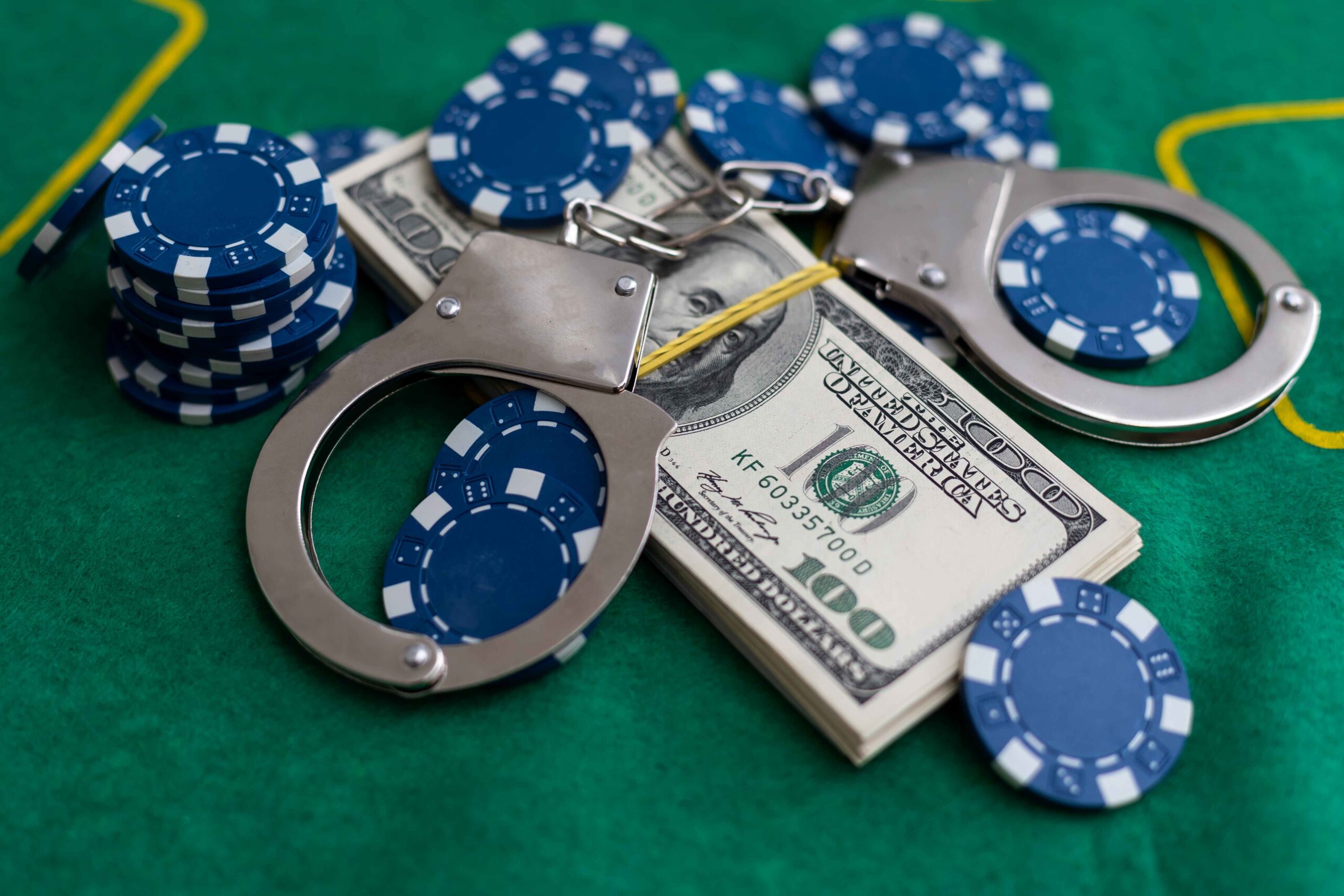 process includes notifying consulates where applicable a necessary step in cases involving non-Thai nationals.
Of note is the protocol variation when dealing with mixed-citizen groups. Some detainees held tourist visas, while others were on retirement permits. The distinction influences both potential penalties and release conditions. Legal advisors have been brought in to manage language barriers and ensure procedural transparency.
Charges may include unauthorized operation of a gambling establishment, participation in illegal betting, and related administrative violations. Hearings are expected within ten business days, barring delays.
Authorities have not released the full identities of those involved but confirmed British nationals played a “principal” role in organizing the events.
Implications for Pattaya News Coverage and Future Monitoring
The incident adds to an ongoing pattern of underground gambling hubs appearing in Pattaya, particularly in areas like South Pattaya where commercial zoning allows for easy repurposing of rental spaces.
Law enforcement has indicated that further inspections will follow, especially in districts where foreign-managed enterprises operate behind opaque business fronts. A spokesperson declined to confirm the number of active investigations but stated that community reporting remains a key factor in targeting such operations.
In conclusion, though that word may not apply cleanly here, this case exemplifies how routine environments can mask organized, rule-bending activity. As dusk falls over shopfronts and shuttered arcades, what looks like quiet routine may, at closer range, involve a shuffled deck, an open ledger, and the sudden arrival of uniforms.