
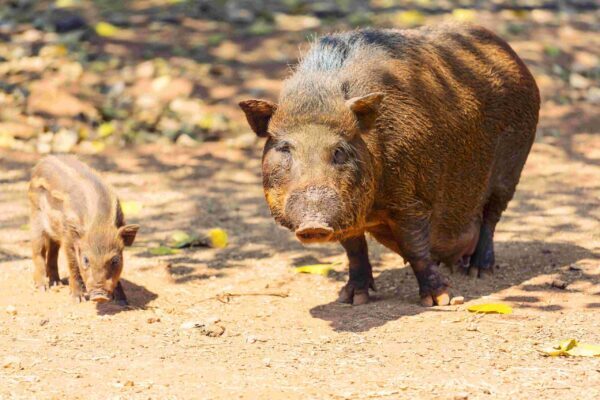
An unusual grouping of urban animals was observed in South Pattaya, where wild pigs and stray dogs were seen moving together without conflict. The location was near a slope close to a residential zone. According to Pattaya news sources, residents did not express alarm, and the animals did not show signs of aggression.
Area Conditions and Initial Observation in South Pattaya
On a weekday afternoon, just before 17:00, a group of locals walking near the Soi Daeng-Dum slope noticed several wild pigs foraging calmly beside stray dogs. The spot, lined with scrub vegetation and discarded building materials, is not known for structured activity. But this time, the presence of both species in the same space drew momentary attention.
Eyewitnesses reported five to seven pigs, along with four dogs, loosely gathered in proximity. No growling, running, or defensive postures were noted. The dogs were described as “resting, not interested” by one passerby who stopped briefly but continued walking after checking his phone. Pigs nudged plastic containers, occasionally sniffing the soil.
What made the observation notable wasn’t behavior, but contrast. In areas where animals compete for scraps, friction is common. Here, none appeared. Whether it was coincidence, temporary detachment, or learned tolerance remains unclear. But it was observed, and in full view.
Behavior Patterns of the Urban Animals
Within shared urban habitats, resource use often dictates interaction. In this case, the pigs focused on slow scavenging – rooting through low grass, overturned cartons, and food remnants. The pigs moved in a steady rhythm, with one larger one occasionally pushing its way through the group. The dogs stayed still by a cinderblock wall, watching quietly without getting closer.
Environmental conditions may have influenced behavior. The temperature was moderate, with light cloud cover. No immediate food drops or waste disposal occurred during the interaction. Based on resident accounts, the animals had been spotted here on previous evenings as well – always separate, but never in conflict.
The exact number of pigs fluctuates, but most are mid-sized and untagged. Their entry into the area is likely from the adjacent undeveloped land bordering the southern edge. Dogs, in contrast, are street familiar and seem habituated to foot traffic, motorcycles, and heat.
In this configuration, several possibilities arise:
- Established feeding zones have reduced overlap
- Animal densities are low enough to avoid competition
- Timing of appearance varies between species
- Noise and movement thresholds may suppress conflict
These are not conclusions, merely conditional observations that shaped the moment in question.
Local Reactions to the Animal Presence
Residents nearby offered neutral responses. One woman selling drinks said, “They don’t bother me,” before shifting attention back to her cart. A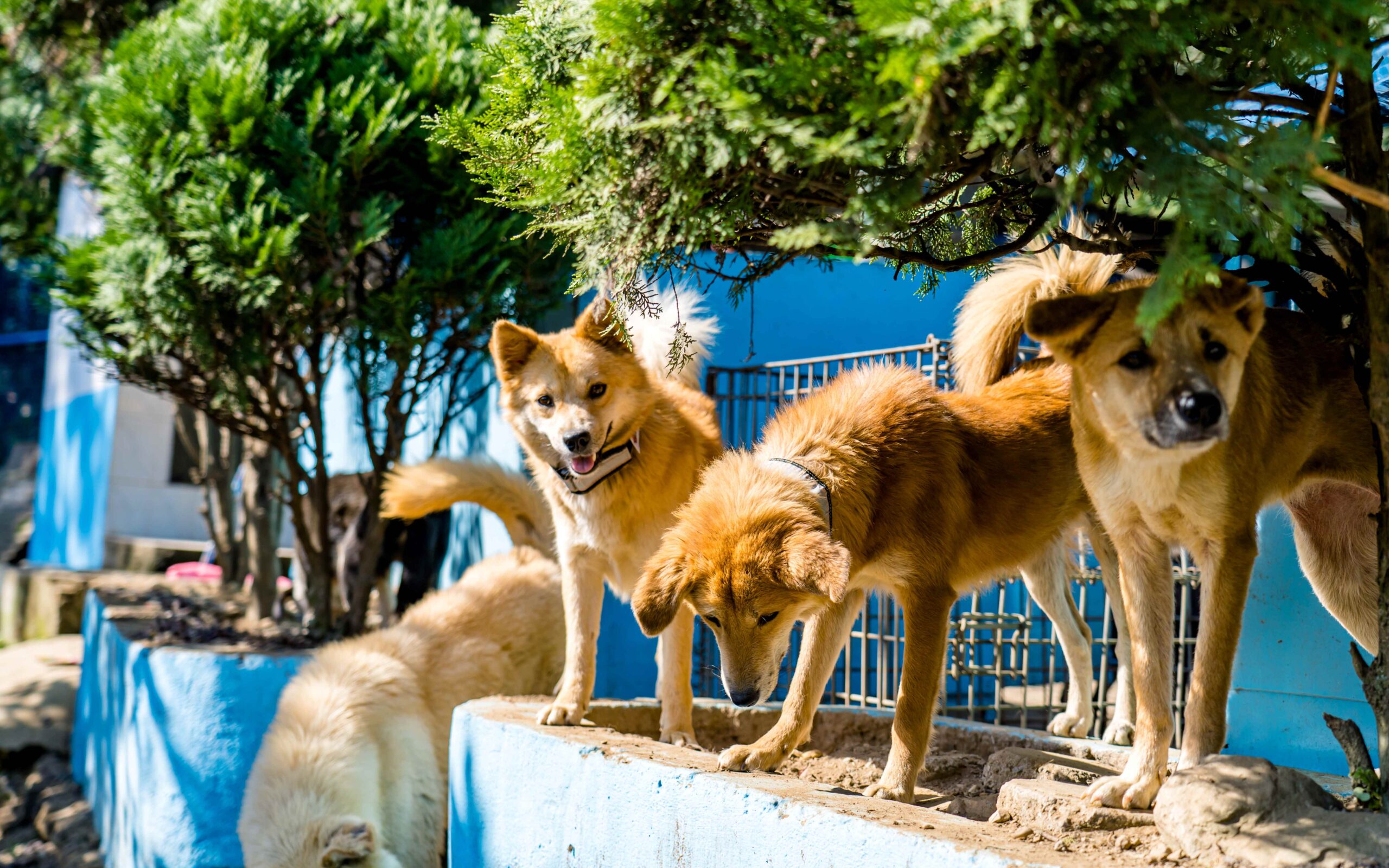 delivery driver waiting at the corner watched briefly, then turned away to check his route app. No attempts to disperse the animals were made.
This absence of response may be cultural, contextual, or simply practical. In urban Southeast Asia, stray animals are a normalized part of landscape. Unless damage occurs, coexistence is generally tolerated. One man walking his bicycle paused near the group, adjusted his shoulder strap, and continued without commentary.
No complaints had been filed with municipal authorities as of the last reporting window. Waste services had been active earlier in the day, but did not return during the observation. Whether this animal presence would affect sanitation scheduling remains to be seen.
The tone remained observational. No photos circulated on social media during the first 24 hours, nor were videos shared by local residents, despite the ubiquity of smartphones in the area.
Factors That May Contribute to Coexistence
Multiple variables may allow wild pigs and stray dogs to occupy the same area without conflict. These include habitat adaptation, avoidance behaviors, and human tolerance. Urban animals, especially those not actively hunted or removed, adapt based on patterns – movement, sound, feeding, and disruption.
Conditions noted at the South Pattaya location:
- Proximity to unused lots and low-rise walls
- Minimal human interference during key hours
- Presence of shade and scattered waste
- Low levels of foot traffic after 18:00
- Lack of territorial markings by either group
These factors may create a soft buffer zone. Not deliberate, not planned – but functional for temporary use.
Whether this coexistence is stable or transitional remains unknown. It was seen, documented briefly, and returned to rhythm. In such environments, patterns develop not from decisions, but from a pause between two needs not yet colliding.